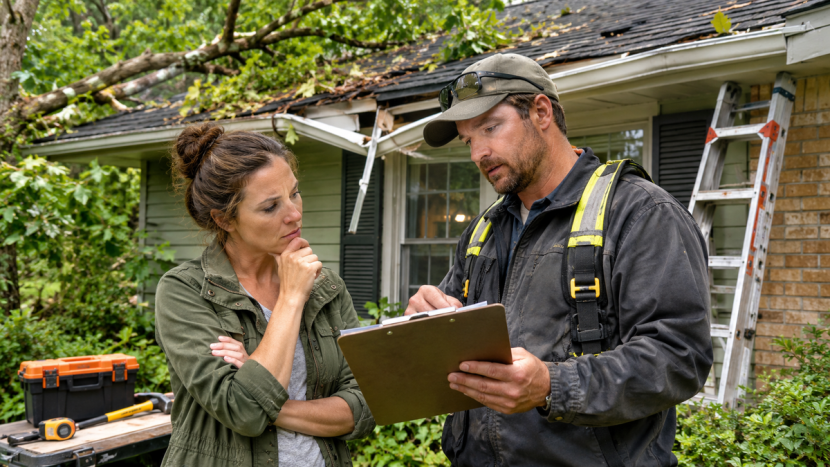
 A powerful windstorm can turn a familiar backyard tree into an unexpected household expense. A heavy branch hanging over the roof, damaged gutters, or a tree leaning toward the garage may require professional attention before further damage occurs. Homeowners comparing storm-damage loan options should first determine the immediate safety risk, the condition of the tree, and the complete cost of professional work. An informed decision can protect the property without committing the family to unnecessary removal or excessive borrowing.
Recognize the Difference Between Damage and Danger
Not every broken branch requires the same response. A small limb resting on an open lawn creates a different concern from a large branch suspended over a doorway or electrical service line.
After a storm, inspect the property from a safe distance. Look for split trunks, exposed roots, hanging limbs, and branches pressing against structures. Do not climb a damaged tree or attempt to pull down suspended wood.
Storm-damaged trees can behave unpredictably because their weight and balance may have changed. Work near electrical lines introduces additional hazards and requires appropriately qualified professionals.
Photograph the affected areas from safe locations. These records can help explain the situation to an arborist or insurance representative without placing anyone unnecessarily close to unstable branches.
Request an Arborist’s Assessment Before Agreeing to Removal
A damaged tree does not always need to be cut down completely.
A qualified arborist may determine that selective pruning can remove dangerous limbs while preserving healthy portions of the tree. In other situations, damage to the main trunk or root system may make complete removal the more appropriate solution.
Ask the professional to explain what makes the tree unsafe and which options are available.
A useful estimate should distinguish pruning, removal, stump grinding, debris hauling, equipment rental, and applicable taxes.
If the tree is located near buildings, difficult access may require specialized rigging or lifting equipment. These additional requirements can affect the price considerably.
When the situation permits, comparing more than one written quotation can help homeowners understand the work and its value.
Understand the Insurance Questions
Home insurance may provide assistance for certain types of storm-related property damage, but coverage depends on the policy and circumstances.
A fallen tree that damages an insured building may be treated differently from a tree that falls harmlessly across the lawn.
Contact the insurer before assuming that removal, repairs, or cleanup will be reimbursed. Ask about deductibles, exclusions, and documentation requirements.
Keep photographs, estimates, invoices, and communications in one location.
If immediate safety work is necessary, record what was done and why. Discussing urgent circumstances with the insurer as soon as practical may help avoid misunderstandings later.
Do not treat possible reimbursement as guaranteed money when deciding whether the household can afford additional expenses.
Calculate Costs Beyond Cutting the Tree
Tree work may reveal other repairs that require attention.
A damaged gutter can affect drainage. Broken roof tiles or shingles may need professional inspection. Fencing, landscaping, and outdoor lighting may also have been affected.
Create separate estimates for tree removal, building repairs, and property cleanup.
This prevents the household from combining every proposed improvement into one emergency expense.
Some jobs can be scheduled later without compromising safety. Others, particularly repairs needed to prevent water entering the home, may deserve immediate attention.
Prioritizing the work helps ensure that available money is directed toward preventing further damage before cosmetic restoration begins.
Consider Borrowing Only for a Defined Shortfall
If the essential work exceeds available savings, calculate the exact amount required after considering insurance information, existing emergency funds, and any suitable payment arrangements.
When comparing loan products, examine the total repayment rather than focusing solely on a monthly instalment.
Interest charges, fees, repayment dates, and consequences of missed payments all affect the overall cost.
A household should be able to make the proposed payments while continuing to cover housing, groceries, utilities, and other essential obligations.
Avoid borrowing extra money for unrelated landscaping or upgrades simply because a larger amount is available.
Plan for Long-Term Tree Maintenance
Once the emergency has been addressed, ask the arborist whether other trees on the property need attention.
Periodic inspections can identify structural problems, dead limbs, and branches growing too close to buildings.
Maintain records of major pruning and professional recommendations. Consider setting aside a modest annual amount for outdoor property maintenance.
Trees provide shade, privacy, and environmental benefits, so preserving healthy growth can be worthwhile when it is safe to do so.
The best financial outcome is not always the lowest immediate quote. It is the combination of appropriate safety work, reliable professional service, and costs the household can manage without creating another emergency.